
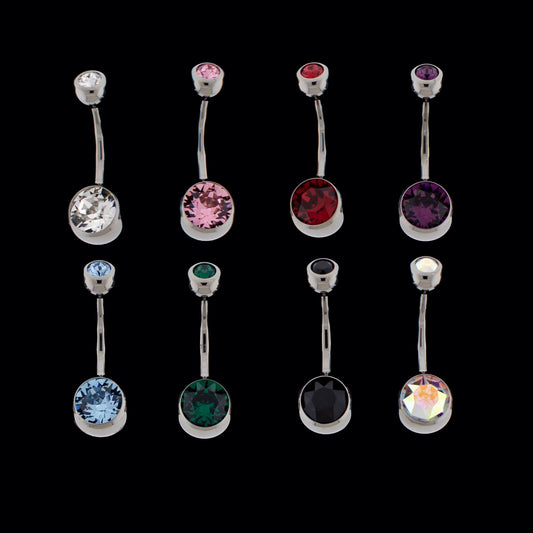
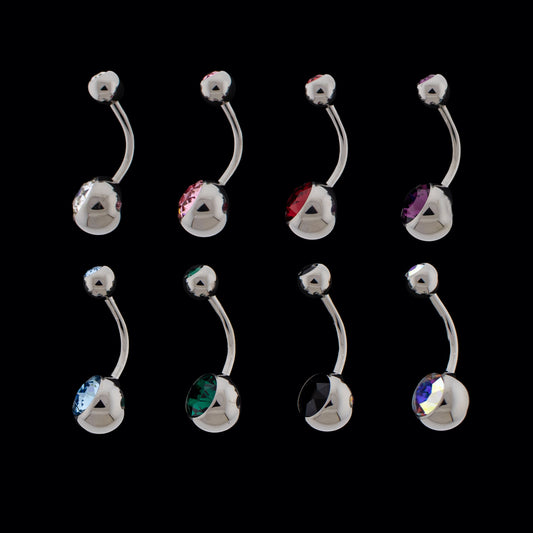
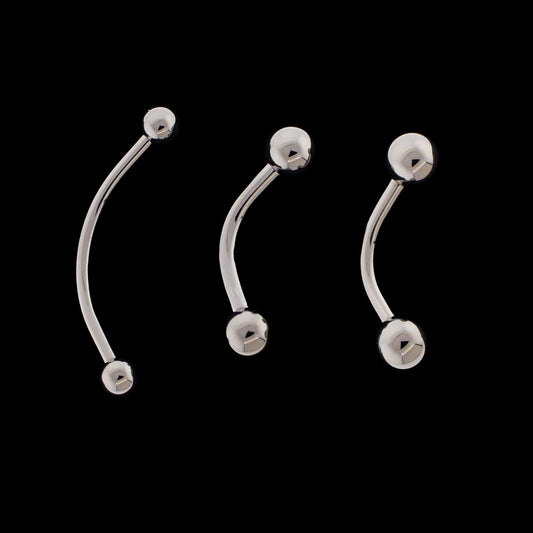
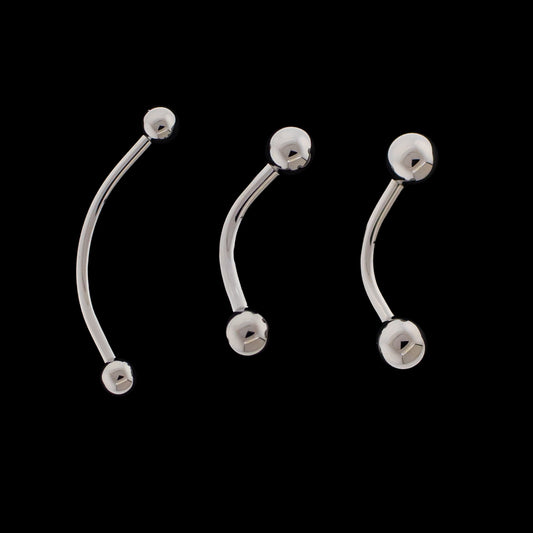
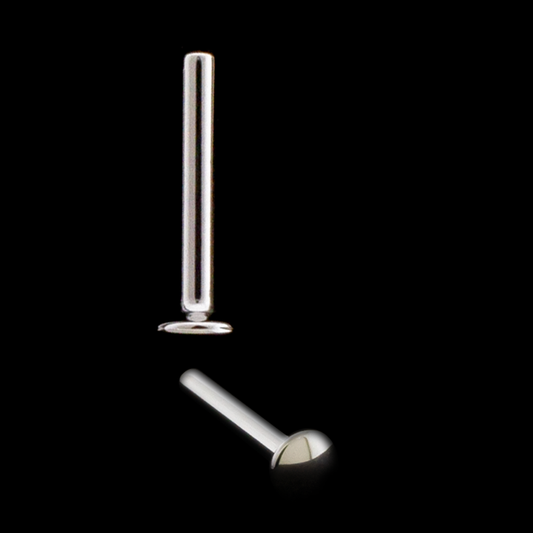
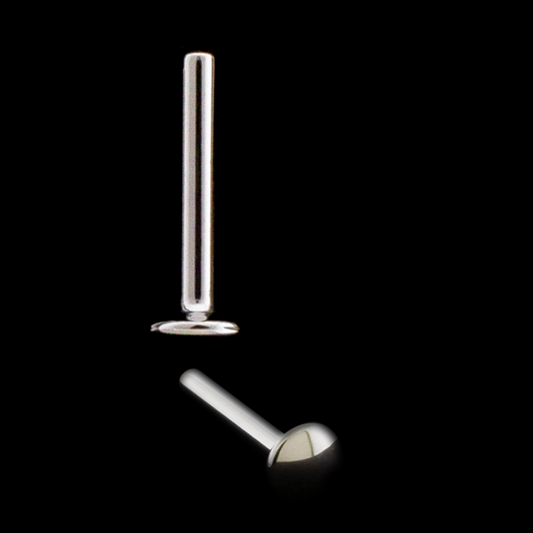
Internally threaded body jewelry is the professional standard for fresh and healed piercings alike, built around a smooth post that carries no exposed threads through the tissue. Khrysos offers the full range in ASTM F-136 titanium, APP Phase 1 and 2 verified, across curved barbells, straight barbells, and tunnels. Browse by type below to find the right piece for your placement.
What Is Internally Threaded Body Jewelry
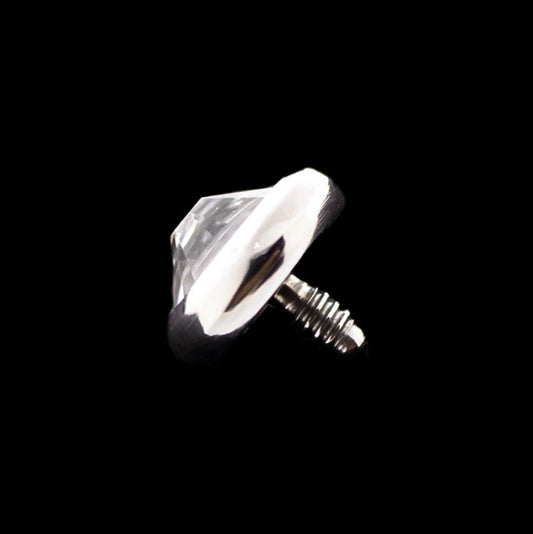
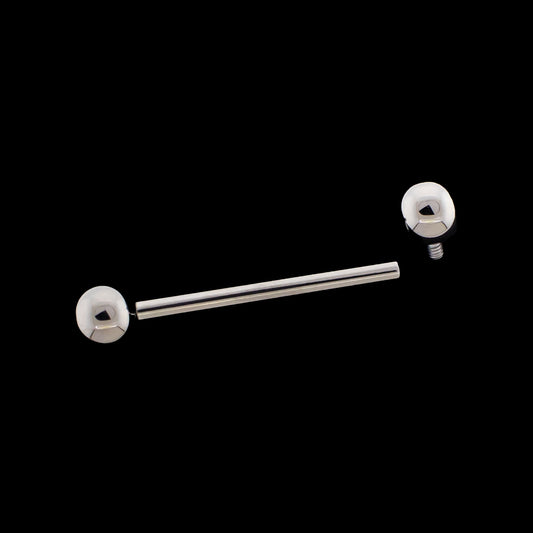
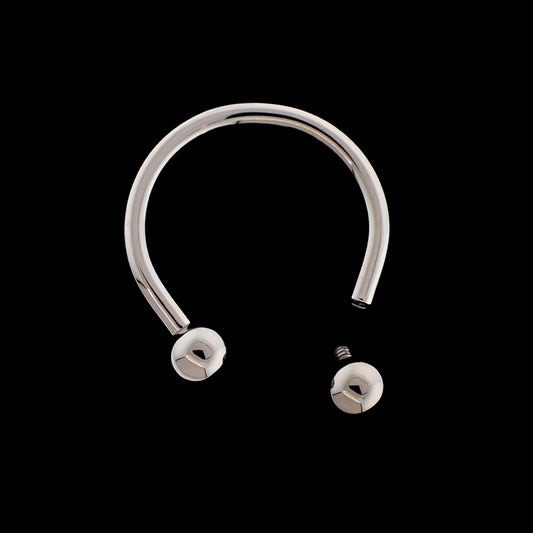
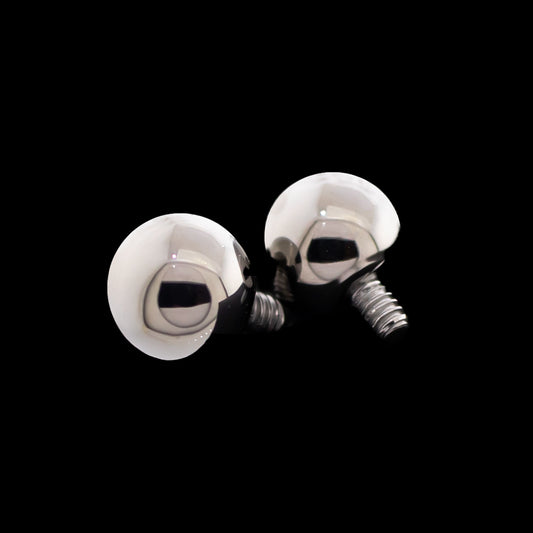
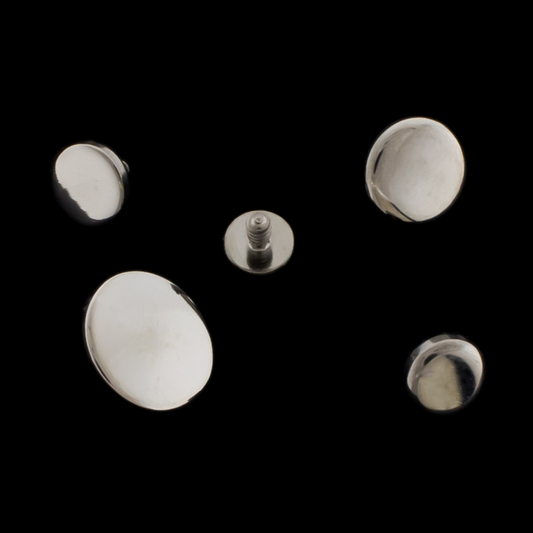
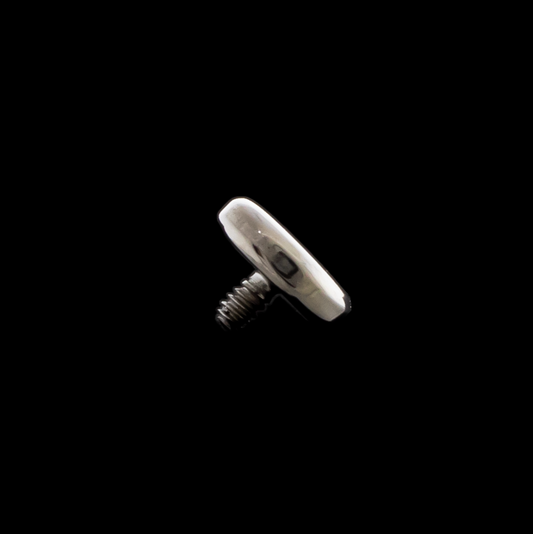
Internally threaded jewelry is built around a hollow post with threading machined into the inside. Any body jewelry internally threaded this way carries a small threaded post on the decorative end that screws into that hollow receiving point, which means the entire outward-facing surface of the post itself stays completely smooth. When the jewelry passes through the piercing during insertion or removal, nothing but polished metal contacts the tissue.
Externally threaded jewelry works the opposite way. The threading sits on the outside of the post, and the decorative end is a hollow piece that screws over it. Those exposed threads scrape against the piercing channel every time the jewelry goes in or comes out, which creates friction and increases the risk of micro-tearing, particularly in a fresh piercing. This is the core reason internally threaded body jewelry has become the preferred format across professional piercing studios.
Why Internally Threaded Jewelry Is the Professional Standard
A smooth post design only delivers on its safety promise when it is paired with the right material. Threading construction and metal quality work together, not separately, and understanding that pairing is what separates genuinely professional-grade internally threaded body jewelry from lower-cost alternatives.
The threading design reduces mechanical trauma during insertion and removal. The material determines what happens to the tissue during the months or years the jewelry sits in place. ASTM F-136 titanium is inert, non-reactive, and does not corrode or leach in contact with skin, which is why it is the material APP-affiliated studios pair with internally threaded construction as their initial jewelry standard. A smooth post machined from a lower-grade base metal still solves the friction problem at the moment of insertion, but it does nothing to address ongoing biocompatibility. Both variables need to be correct for the jewelry to actually meet professional safety standards.
Shop Internally Threaded Body Jewelry by Type
The collection spans four core categories, each built for the mechanics of a specific placement.
Curved Barbells
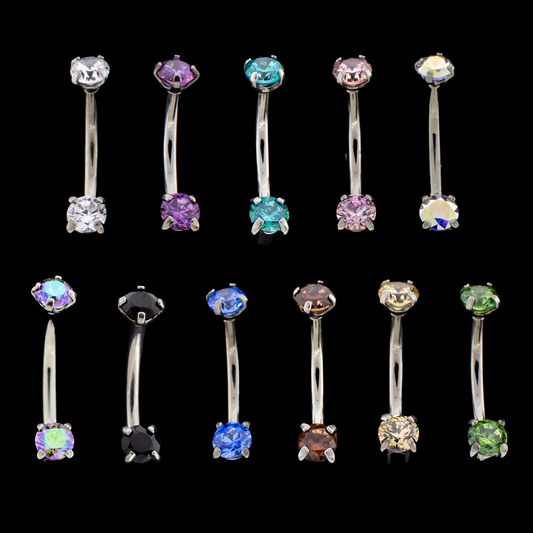
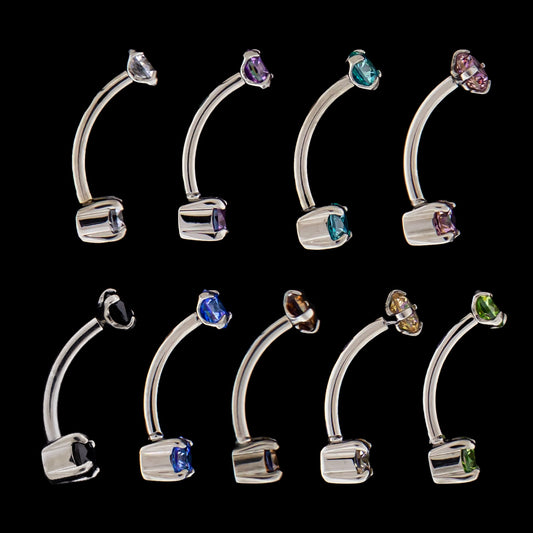
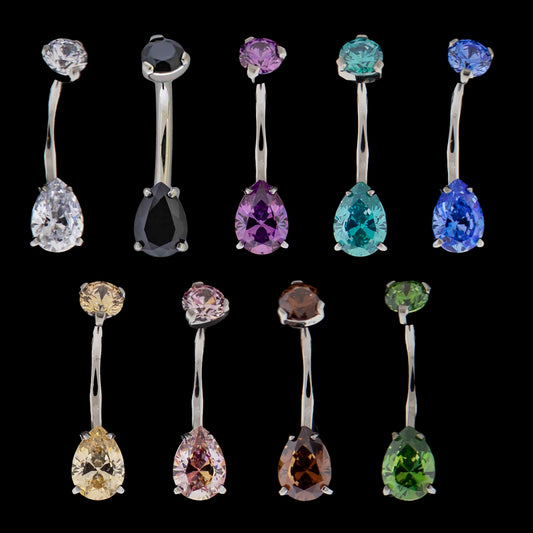
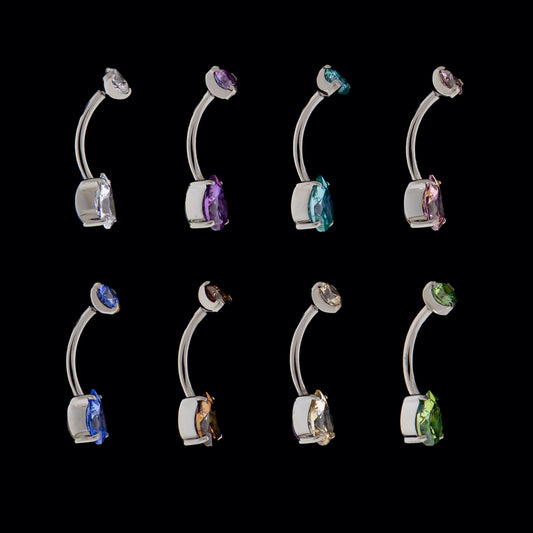
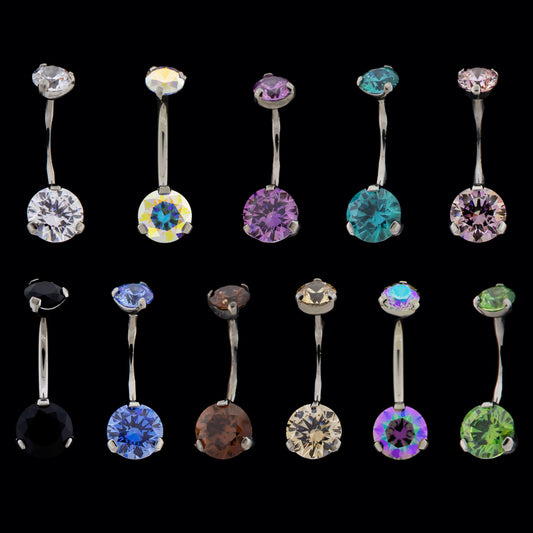
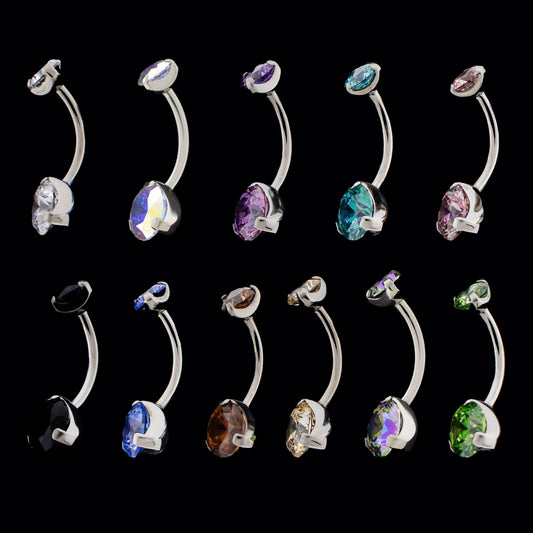
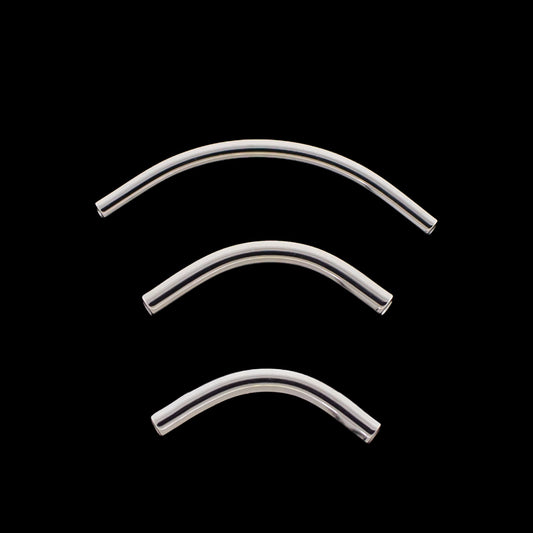
Curved barbells are engineered for placements where the jewelry needs to follow the natural shape of the anatomy rather than sit in a straight line, including navel, eyebrow, daith, and rook. The curve keeps the post aligned with the piercing channel at rest, which reduces pressure points compared to a straight bar forced into a curved placement. Browse the full range of gauges and lengths in this collection.
Straight Barbells
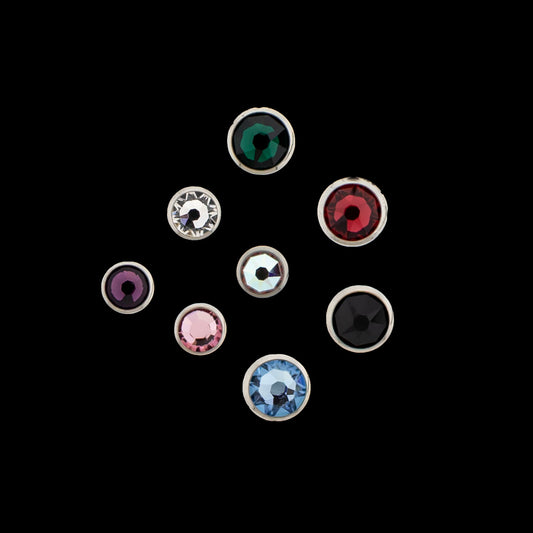
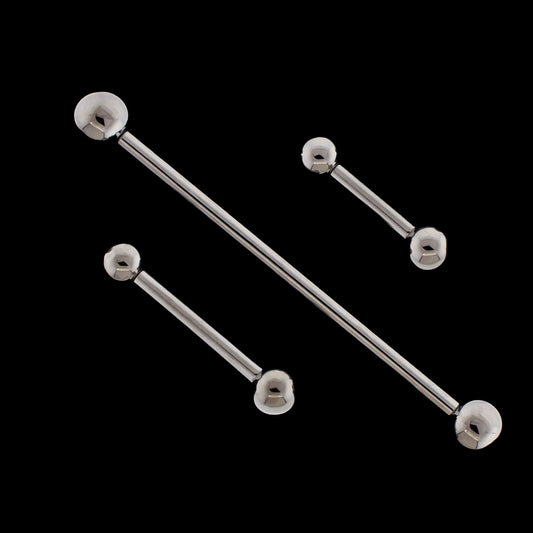
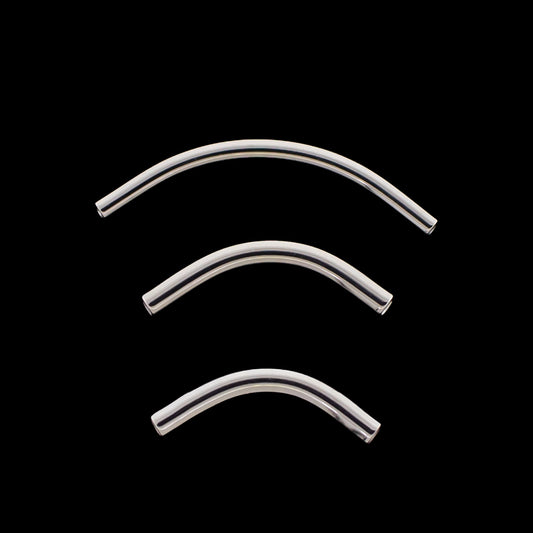
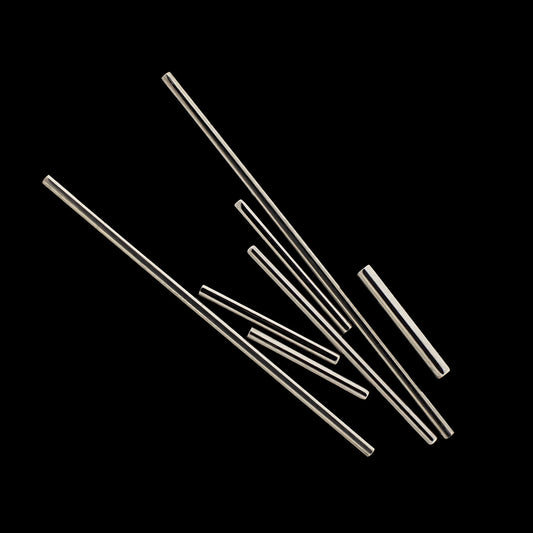
Straight barbells cover placements where the piercing channel runs in a straight line, most commonly nipple, tongue, and industrial piercings. This collection includes both plain posts and fixed-end options across a wide range of gauges, and the dedicated Titanium Internally Threaded Nipple Barbells collection offers gemstone-accented styles sized specifically for that placement.
Circular Barbells
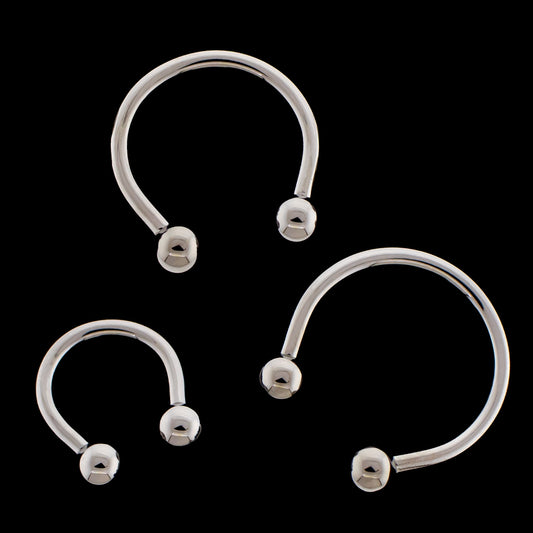
Circular barbells complete a full circle rather than a straight or curved line, a shape used for certain septum and ear cartilage placements where a continuous curve holds jewelry more securely than a standard barbell. This collection covers the format across multiple diameters.
Tunnels
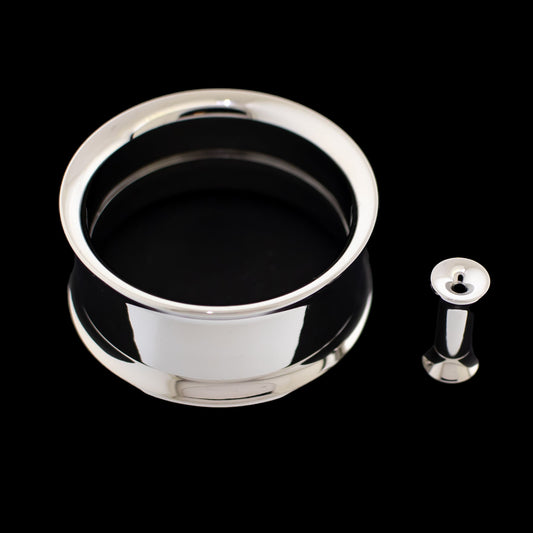
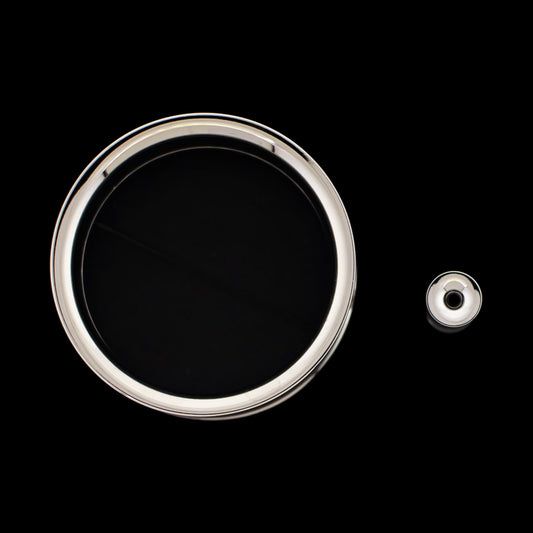
For stretched lobes, internally threaded tunnels use the same smooth-post principle at a larger gauge scale, screwing a decorative or plain front piece into a hollow internally threaded core. Browse sizing from small gauges up through larger stretched diameters.
Choosing the Right Placement for Internally Threaded Jewelry
Internally threaded construction is appropriate for both fresh and healed piercings, but the reasoning behind that recommendation differs depending on which stage your piercing is in. For a fresh piercing, tissue is still forming around the jewelry, and any friction from exposed threading can disrupt that process, extend healing time, or contribute to irritation bumps. A smooth internally threaded post removes that variable entirely, which is why professional piercers use this construction almost universally for initial jewelry.
For a healed piercing, the tissue is more resilient and the risk from a brief moment of thread contact during a jewelry change is lower, but internally threaded construction remains the professional standard for long-term wear. It keeps jewelry changes simple, avoids any risk of catching or snagging fully healed tissue on exposed threads, and is the format most curved barbells, circular barbells, and gemstone-set ends are designed around in the first place.
Why Buy Your Internally Threaded Body Jewelry at Khrysos
Khrysos is APP Phase 1 and 2 verified, and every piece of internally threaded body jewelry in this collection is produced at an ISO9001-certified facility to APP material and dimension standards.
- APP Phase 1 and 2 Verified: Every piece meets the material, dimension, and finishing standards required for use in APP-affiliated studios
- ASTM F-136 Titanium Construction: Implant-grade titanium alloyed for strength, non-reactive, and nickel-free, pairing correctly with the internally threaded design
- ISO9001-Certified Manufacturing: Consistent quality control across thread tolerances, post dimensions, and surface finish
- Smooth Post, Zero Exposed Threads: The entire tissue-contact surface stays polished and smooth from insertion to removal
- Same-Day Shipping: Orders within the cutoff window ship the same day; wholesale accounts are available for professional piercers
FAQ
What does internally threaded mean in body jewelry?
Body jewelry internally threaded this way has threading machined into the inside of a hollow post. The decorative end has a small threaded post that screws into that hollow point, leaving the entire outward-facing surface of the post smooth and free of exposed threads.
Why is internally threaded jewelry recommended for new piercings?
Fresh piercing tissue is sensitive to friction. A smooth internally threaded post passes through the piercing without exposed threads scraping the channel, which reduces the risk of micro-tearing and irritation during insertion and removal.
What is the difference between internally and externally threaded jewelry?
Internally threaded jewelry has threading hidden inside the post, keeping the outer surface smooth. Externally threaded jewelry has threading on the outside of the post, which can scrape against the piercing channel during changes.
What material should internally threaded jewelry be made from?
ASTM F-136 titanium is the standard material for internally threaded body jewelry at professional studios. It is non-reactive, nickel-free, and does not corrode, pairing correctly with the smooth-post design to meet full biocompatibility standards.
How do I remove internally threaded jewelry?
Hold the post steady and unscrew the decorative end counterclockwise. Keep a firm grip on both pieces to avoid dropping either one, particularly with smaller gauges where the threaded post is delicate.
Is internally threaded jewelry safe for healed piercings too?
Yes. While it is the standard for fresh piercings, internally threaded construction remains appropriate for healed piercings as well, offering the same smooth-change benefit and long-term wearability that professional piercers rely on.
Does Khrysos offer APP-compliant internally threaded jewelry?
Yes. Khrysos is APP Phase 1 and 2 verified, and every internally threaded piece in this collection is produced to APP material and dimension standards in ASTM F-136 titanium.